HLTCC410 – Provide Diabetes and Subcutaneous Injections Support
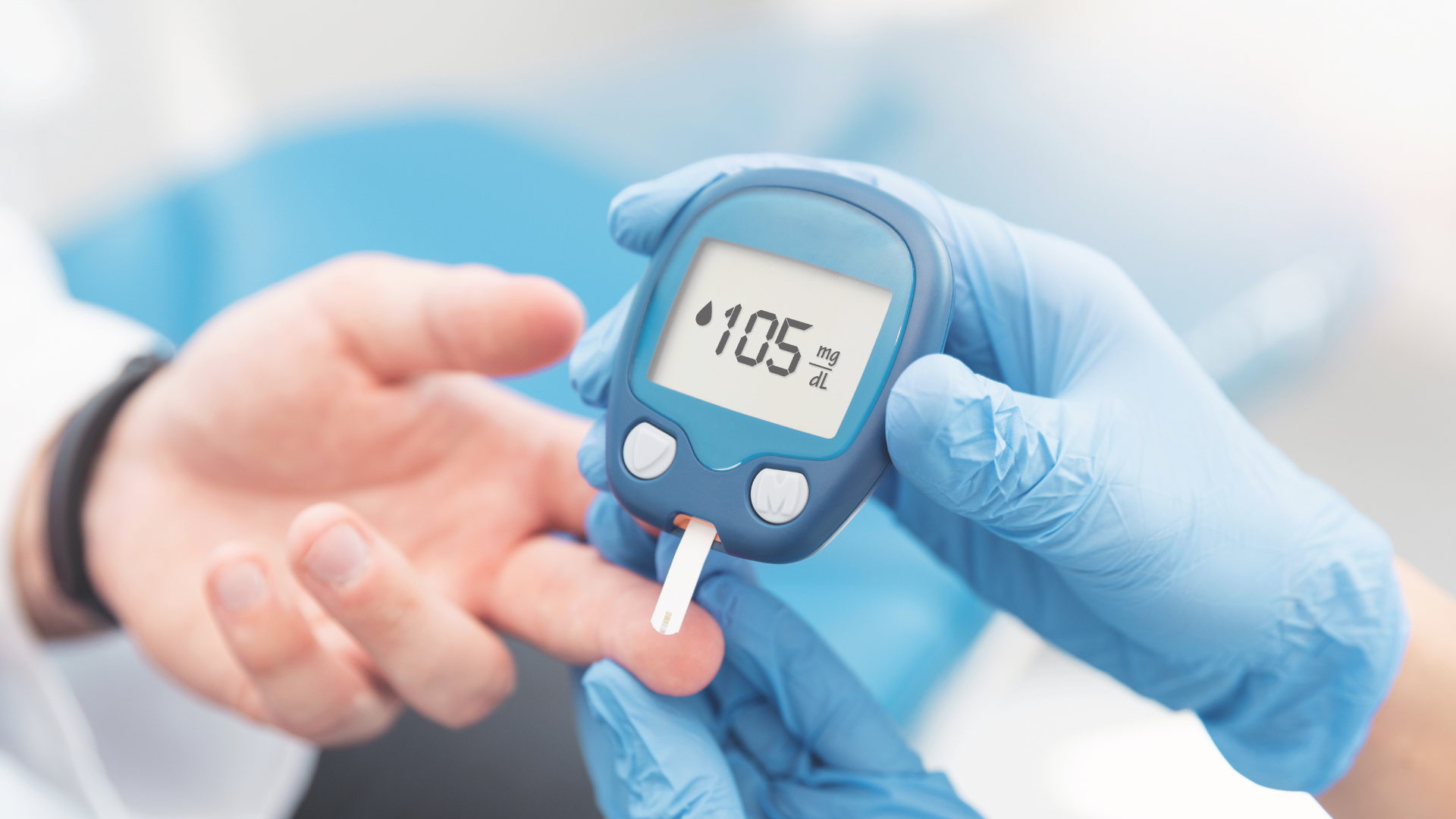 This specialised course is designed to equip support workers with essential knowledge and skills for managing diabetes and administering subcutaneous injections. It prepares you to confidently support individuals living with diabetes, recognise the signs and symptoms, manage hypo and hyperglycaemia, and safely and effectively administer subcutaneous injections.
Introduction:
This workshop provides support workers with the knowledge and practical skills required to safely support people living with diabetes. Participants will learn how to monitor blood glucose levels, recognise and respond to hypo- and hyperglycaemia, administer subcutaneous injections, and follow individual diabetes management plans while delivering safe, person-centred care.
Target Audience:
- Disability Support Workers
- Community Support Workers
- Aged Care Workers
- Residential Care Staff
- Team Leaders and Supervisors supporting workers who provide diabetes care
- New and experienced support workers who assist participants requiring diabetes management and subcutaneous injections
- Workers supporting participants with complex health needs in home, community, or supported accommodation settings
Learning Outcomes:
- Explain how diabetes affects the body and the role of insulin
- Monitor and interpret blood glucose levels (BSL) and ketones
- Safely prepare and administer subcutaneous injections using correct techniques
- Apply the 8 rights of medication administration in practice
- Recognise and respond to hypo- and hyperglycaemia, including emergency situations
- Follow the participant’s diabetes management plan accurately
- Apply infection control and safe sharps handling practices
- Identify and respond to risks associated with diabetes care and medication administration
- Escalate concerns appropriately and follow emergency procedures
- Accurately document, report care, and complete incident reporting when required
- Provide person-centred care, including communication, consent, and dignity
Learning Methods:
- Face-to-face workshops
- Case studies and scenario-based learning
- Practical simulations and hands-on training
- Interactive discussions and assessments
Program Benefits:
- Provide safe and effective support to individuals living with diabetes
- Recognise and respond appropriately to diabetes-related emergencies
- Administer subcutaneous injections using correct techniques and procedures
- Improve participant health outcomes through accurate monitoring and reporting
- Apply best-practice infection prevention and control measures
- Increase confidence when supporting participants with complex health needs
- Meet organisational and legislative requirements for medication assistance and diabetes care
- Promote participant independence, choice, dignity, and quality of life
Content:
- Diabetes anatomy and physiology
- Types of diabetes and treatment approaches
- Role of insulin and blood glucose regulation
- Blood glucose level (BSL) monitoring and interpretation
- Ketone monitoring and management
- Diabetes management plans and participant-specific requirements
- Hypoglycaemia recognition and management
- Hyperglycaemia recognition and management
- Medication administration principles and the 8 rights
- Subcutaneous injection equipment and preparation
- Injection sites, rotation, and administration techniques
- Infection control and aseptic technique
- Sharps handling and disposal procedures
- Monitoring, observation, and risk identification
- Emergency response and escalation procedures
- Communication, consent, and person-centred care
- Dignity of risk and participant choice
- Documentation, reporting, and incident management
- Legal, ethical, and organisational requirements
- Practical skills assessment and competency demonstration
Upcoming Workshops
There are currently no openings available for this course.
