
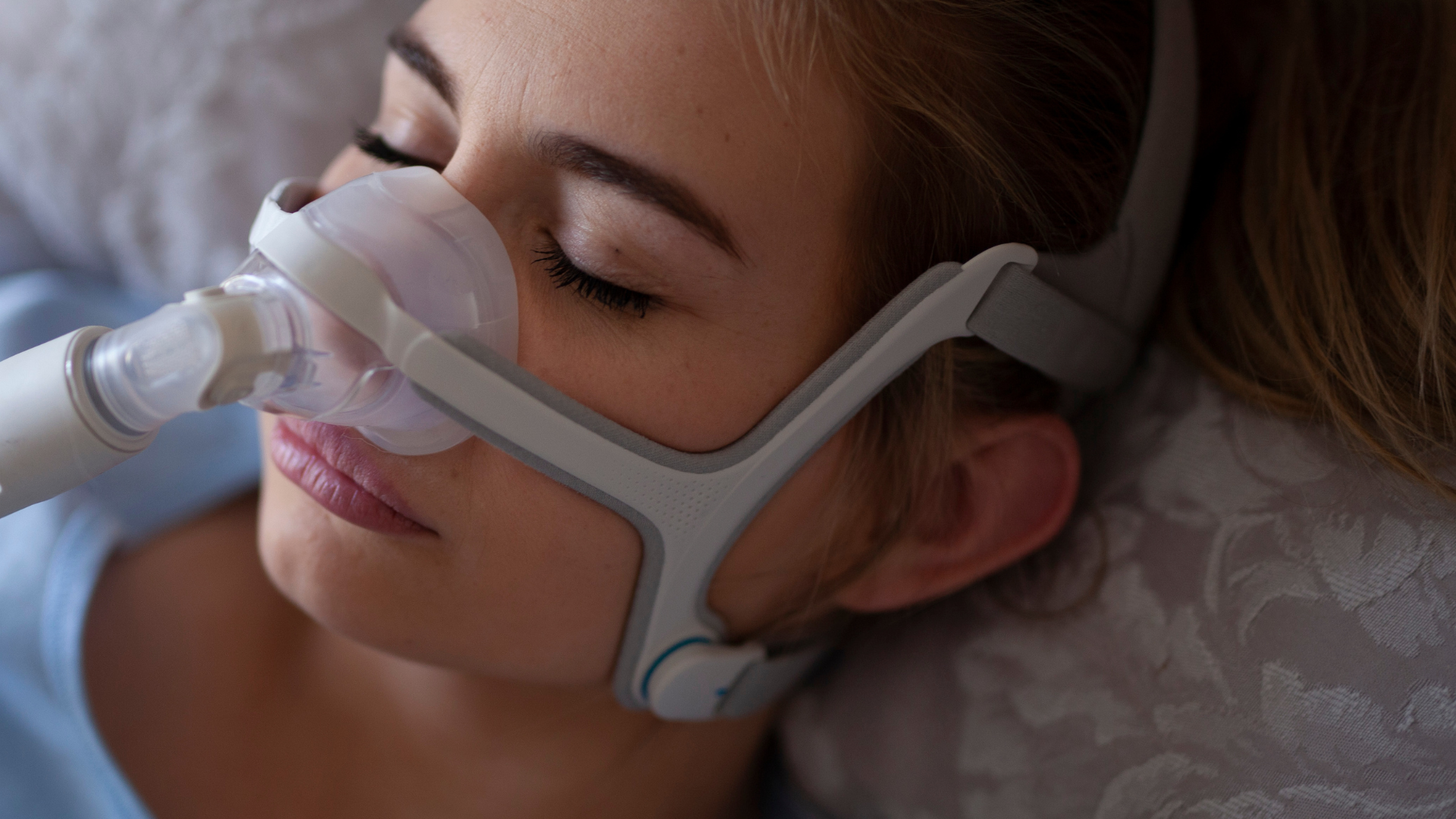
HLTCC406 – Provide Non – Invasive Ventilation Support

This course provides workers with the knowledge and skills to safely support individuals using non-invasive ventilation.

Introduction:

Non-invasive ventilation is commonly used to support individuals with respiratory conditions without the need for invasive airway management. This course equips workers with the knowledge and practical skills to safely apply, monitor, and manage non-invasive ventilation while ensuring comfort and safety.


Target Audience:

Support workers, disability support staff, aged care workers, and healthcare assistants supporting individuals using non-invasive ventilation.


Learning Outcomes:

  • Understand basic respiratory anatomy, physiology, and how ventilation supports breathing
  • Identify conditions requiring non-invasive ventilation (NIV)
  • Apply and position ventilation masks correctly to ensure effective therapy
  • Safely operate and monitor ventilation equipment and settings
  • Recognise signs of respiratory distress and deterioration
  • Respond appropriately to ventilator alarms and equipment issues
  • Identify and manage risks associated with NIV, including aspiration and airway complications
  • Apply infection control practices when using ventilation equipment
  • Respond to emergencies and escalate concerns appropriately
  • Accurately monitor, document, and communicate care

Learning Methods:

  • Practical demonstrations and simulations
  • Scenario-based learning
  • Interactive discussions
  • Case studies

Program Benefits:

  • Builds confidence in using non-invasive ventilation equipment
  • Promotes safe and effective respiratory support
  • Improves recognition of respiratory distress
  • Reduces risk of complications
  • Enhances monitoring and escalation skills

Content:

  • Respiratory system overview
  • Conditions requiring non-invasive ventilation
  • Types of non-invasive ventilation (e.g., CPAP, BiPAP)
  • Mask fitting and positioning techniques
  • Ventilator setup and operation
  • Infection control and hygiene
  • Monitoring and recognising complications
  • Alarm management and troubleshooting
  • Documentation and communication
 

Upcoming Workshops

There are currently no openings available for this course.